How To Choose the Right Wood for Cooking
Few culinary experiences can rival the joy of grilling meat over an open flame. The sizzle, the aroma, and the charred perfection make it an art form in itself. While selecting the right cut of meat and mastering the grill's temperature are crucial aspects, the choice of wood for cooking plays an equally significant role in elevating your grilling game. Different woods impart distinct flavors and aromas to your meat, transforming a simple cookout into a gourmet experience. In this guide, we'll explore the essential factors to consider when choosing the right wood for cooking meat on the grill.
- The Flavor Profile: The type of wood you choose will profoundly influence the taste of your grilled meat. Each wood variety imparts its unique flavor profile, ranging from subtle and sweet to robust and smoky. Here are some popular wood choices and their flavor characteristics:
Hickory: Known for its strong, smoky flavor, hickory is a classic choice for grilling meat, especially pork and beef. It pairs exceptionally well with brisket and ribs, giving them a bold, savory taste.
Mesquite: Mesquite wood adds a bold and robust smokiness to your meat, making it ideal for grilling beef, lamb, and game meats. However, use it sparingly, as its intense flavor can overpower delicate cuts.
Apple: Applewood provides a milder, fruity smoke flavor, making it an excellent choice for poultry, pork, and even fish. It imparts a slightly sweet aroma that complements the meat's natural flavors.
Cherry: Cherrywood offers a mild, sweet, and slightly fruity flavor that pairs beautifully with pork and poultry. It can also enhance the appearance of your meat, giving it a rich, reddish hue.
Oak: Oakwood provides a balanced and medium smokiness, making it versatile for grilling various meats. It's a favorite for smoking brisket and ribs, giving them a classic, well-rounded taste.
Maple: Maplewood offers a sweet and delicate smokiness, making it an excellent choice for poultry and pork. It adds a subtle caramelized flavor that enhances the meat's overall appeal.
- Compatibility with Meat Types: Different woods are better suited for specific types of meat. Consider the following pairings:
Beef: Hickory, mesquite, oak, and cherry are all excellent choices for beef, depending on the level of smokiness you desire.
Pork: Hickory, apple, cherry, and maple work well with pork, enhancing its natural sweetness and creating a well-balanced flavor profile.
Poultry: Apple, cherry, and maple are great for poultry, imparting a pleasant sweetness that complements chicken and turkey.
Seafood: Fruitwoods like apple and cherry are ideal for seafood, adding a gentle smokiness without overpowering the delicate flavors.
- Whole Logs, Chips, or Pellets: You can find wood for grilling in various forms, including whole logs, wood chips, and wood pellets. The choice between these options depends on your grilling equipment and personal preference:
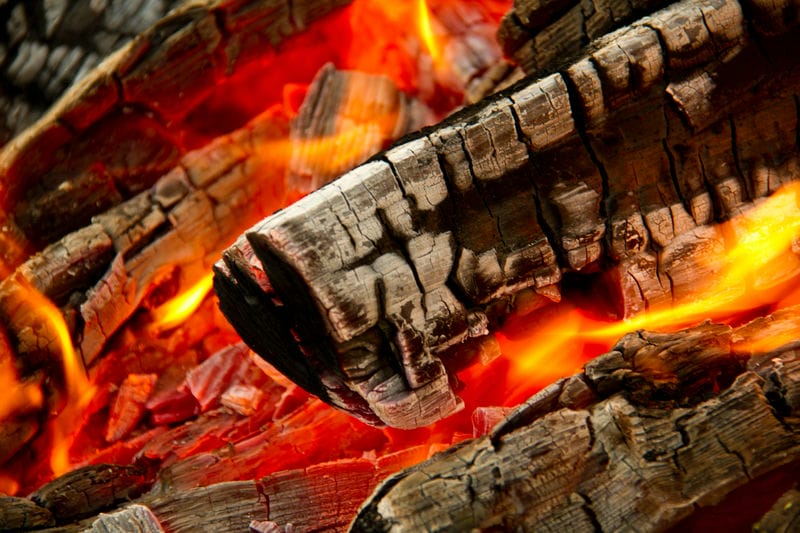
Whole Logs: Using whole logs is a traditional method, often employed in smoking. It provides a slow and steady release of smoke but requires a dedicated smoker or large grill with a separate firebox.
Wood Chips: Wood chips are small, thin pieces of wood that ignite quickly and release smoke rapidly. They are suitable for gas grills, charcoal grills, and electric smokers, as they produce smoke without requiring a separate fire source. Soak wood chips in water before using to prolong their smoke-generating capabilities.
Wood Pellets: Pellet grills are becoming increasingly popular for their convenience. Wood pellets are compressed sawdust designed to feed automatically into the grill's firebox. They provide precise control over temperature and smoke levels, allowing you to experiment with different wood flavors easily.
- Experimentation and Balance: Choosing the right wood for grilling meat is as much about experimentation as it is about following guidelines. It's essential to strike a balance between the wood's flavor and the meat's natural taste. Start with milder woods for delicate meats and gradually work your way up to stronger flavors as you gain confidence and experience.
Remember that the amount of wood you use and the duration of smoking also impact the final taste. Start with a small quantity, and if you desire a more pronounced smokiness, you can add more wood as needed during the cooking process.
Conclusion: Grilling meat over wood imparts a depth of flavor and aroma that elevates your culinary creations. By understanding the characteristics of different woods, their compatibility with meat types, and the various forms in which they are available, you can choose the right wood to enhance your grilling experience. Whether you prefer the boldness of hickory, the sweetness of apple, or the balance of oak, your choice of wood will play a pivotal role in crafting memorable and delicious grilled dishes. So, fire up your grill, experiment with different woods, and embark on a flavorful journey that will delight your taste buds and those of your guests. Happy grilling!
Similar Posts
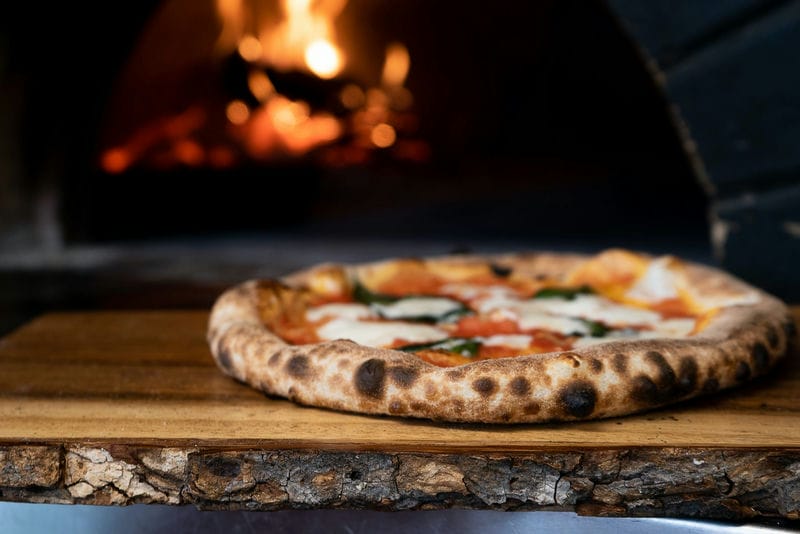
Gochujang Pizza
Discover the spicy and savory fusion of flavors in our Gochujang Pizza recipe. Using Korean gochujang paste, this twist on the classic pizza features a fiery kick, balanced by creamy mozzarella and your choice of toppings. Elevate your pizza night with this unique and satisfying 30-minute recipe.
Campfire Bread
Crafted with basic ingredients and cooked over open flames, this unleavened flatbread is a perfect companion to outdoor adventures. Learn how to mix the dough, shape the bread, and savor its warm, rustic charm by the campfire.