Mastering the Flame: How to Control the Heat When Cooking Over an Open Fire
Summary: Choosing the right wood for grilling meat is essential to elevate your barbecue game. Different woods impart distinct flavors, from hickory's smokiness to cherry's sweetness. Pair woods with meat types, like hickory for beef and apple for poultry. Consider wood forms-logs, chips, or pellets-and remember, experimentation is key to finding your perfect flavor balance. Thumbnail: mastering-the-flame-thumb.jpg
Cooking over an open fire can be an exhilarating and primitive experience, allowing you to connect with nature while preparing delicious meals. However, it also presents a unique set of challenges, the most critical of which is controlling the heat. Unlike conventional stovetops or ovens, open fires don't come with precise knobs to adjust the temperature. Instead, mastering the flame relies on your understanding of fire dynamics and some essential techniques. In this article, we'll explore various methods to help you control the heat when cooking over an open fire.
1. Build the Right Fire
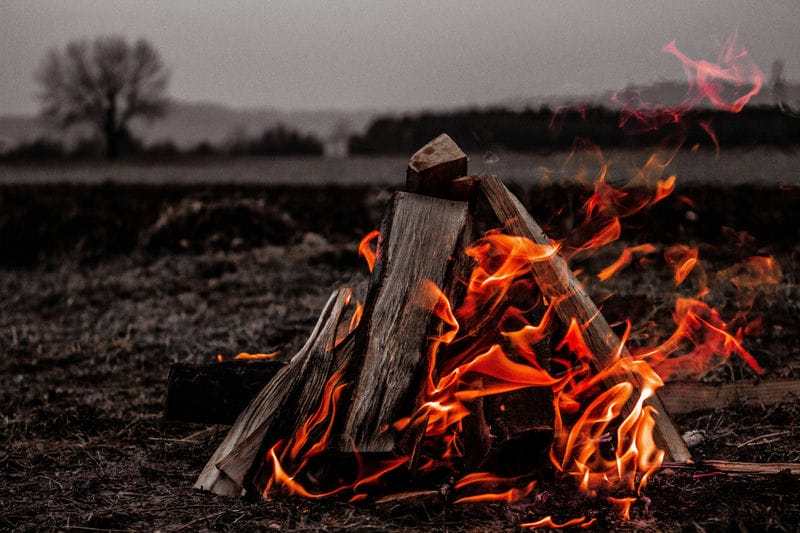
The foundation of heat control in open-fire cooking begins with building the right fire. Start by selecting the right type of wood, ideally hardwoods like oak, hickory, or maple. They burn hot and evenly, making it easier to manage the heat. Additionally, ensure you have a mix of larger logs and smaller branches to maintain a steady flame. Arrange them carefully, with larger pieces at the base to create a solid bed of coals.
2. Use Different Fire Zones
Understanding the different heat zones around an open fire is crucial. There are generally three zones you can work with:
Direct Flame: This is the hottest zone, right above the flames. Use it for searing and quickly cooking thin cuts of meat.
Glowing Coals: As the logs burn down, they turn into glowing coals. This zone offers a consistent, even heat ideal for roasting or baking.
Radiant Heat: The area around the fire where you can feel the warmth but not direct flames. It's great for slow cooking and keeping dishes warm.
By strategically positioning your cookware within these zones, you can control the heat intensity for different cooking tasks.
3. Adjust the Height
Controlling the distance between your cookware and the fire is another effective method. Lowering your cookware closer to the coals increases the heat, while raising it higher above the fire reduces it. Use a grate or a simple tripod system with adjustable chains to achieve the desired height. This method is particularly useful for achieving precise temperature control when grilling or baking.
4. Bank the Coals
Banking the coals involves pushing them to one side of the fire pit. This creates a two-zone heat system. The side with the coals is the hot zone, and the opposite side is the cooler zone. It's an excellent technique for cooking foods that require both searing and slow cooking. You can sear over the hot coals and then move the food to the cooler side to finish cooking without burning.
5. Control Oxygen
The amount of oxygen a fire receives affects its intensity. If you need to reduce the heat quickly, partially smother the fire by placing a metal lid or a heavy cast iron skillet over the flames. This will cut off the oxygen supply and reduce the fire's intensity. Be cautious when removing the lid, as the fire may flare up.
6. Use Windbreaks
Wind can significantly impact the heat control of an open fire. If you're cooking in a windy environment, set up windbreaks using rocks, logs, or even an improvised shield made from aluminum foil. This will help maintain a more consistent heat source.
7. Practice and Patience
Ultimately, controlling the heat when cooking over an open fire requires practice and patience. Each fire is unique, and mastering the art of open-fire cooking is an ongoing learning process. Be prepared to adapt your techniques and pay close attention to your cooking to achieve the best results.
In conclusion, controlling the heat when cooking over an open fire is a skill that combines both science and art. By building the right fire, understanding heat zones, adjusting the height, banking the coals, controlling oxygen, using windbreaks, and practicing, you can become a proficient open-fire chef. Embrace the challenges, experiment with various cooking methods, and savor the delicious results of your efforts as you embark on this culinary adventure in the great outdoors.
Similar Posts
Tangy Tomato Garlic Roast Pork Paprikash
Paprikash is a Hungarian dish featuring meat (usually chicken) cooked in a rich, paprika-infused sauce, often served with noodles or dumplings.
Wood Fired Oven - History and Significance Cooking with Wood
Explore the rich history and cultural importance of wood-fired ovens, from ancient civilizations to modern culinary traditions worldwide.