Wood Fired Oven - History and Significance Cooking with Wood
The Joy of Cooking in a Wood Fired Oven
Wood-fired ovens have a rich history and hold significant cultural value in various parts of the world. These traditional ovens, also known as masonry ovens or brick ovens, have been used for centuries for baking bread, cooking, and heating. Let's delve into the fascinating history and cultural significance of wood-fired ovens.
History:
The origins of wood-fired ovens can be traced back to ancient civilizations. The earliest evidence of these ovens dates back to ancient Egypt around 3000 BCE. The Egyptians used clay or mud-brick ovens, where they baked bread and cooked meat. Over time, wood-fired ovens spread to other parts of the world, including ancient Greece and Rome.
In ancient Rome, wood-fired ovens played a central role in daily life. They were an integral part of Roman culture, and every household had its own oven. These ovens were constructed with bricks and designed to retain heat for extended periods, making them efficient for baking and cooking.
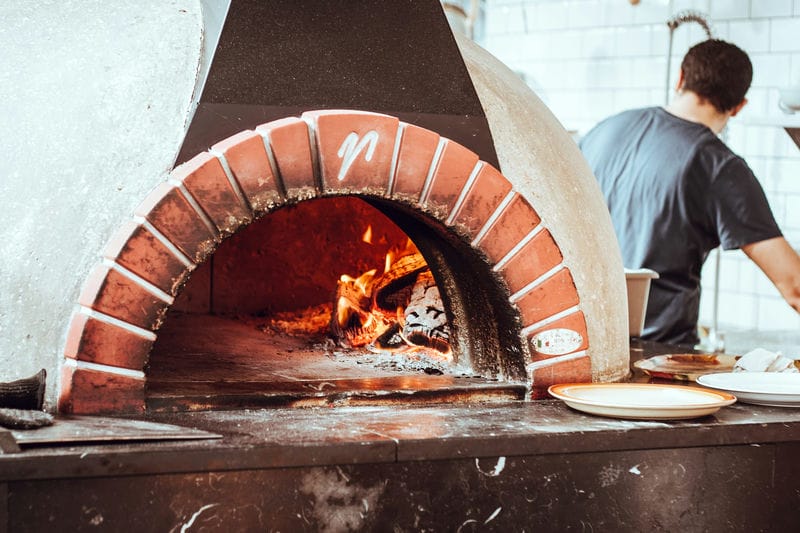
As civilizations advanced, so did the technology and construction of wood-fired ovens. During the Middle Ages, European bakers improved oven designs by introducing domed ceilings and chimney systems for better heat distribution and ventilation. This innovation led to the development of the iconic beehive-shaped ovens that are still popular today.
Cultural Significance:
Wood-fired ovens have significant cultural significance in various regions of the world. Here are a few examples:
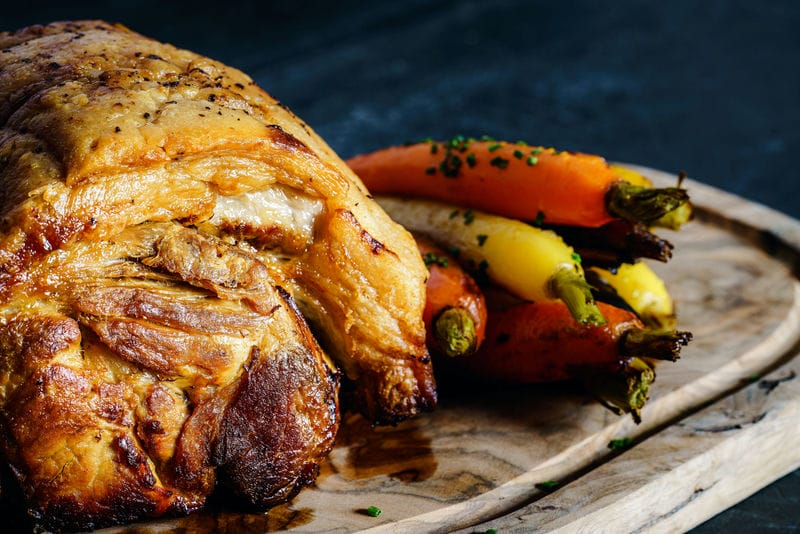
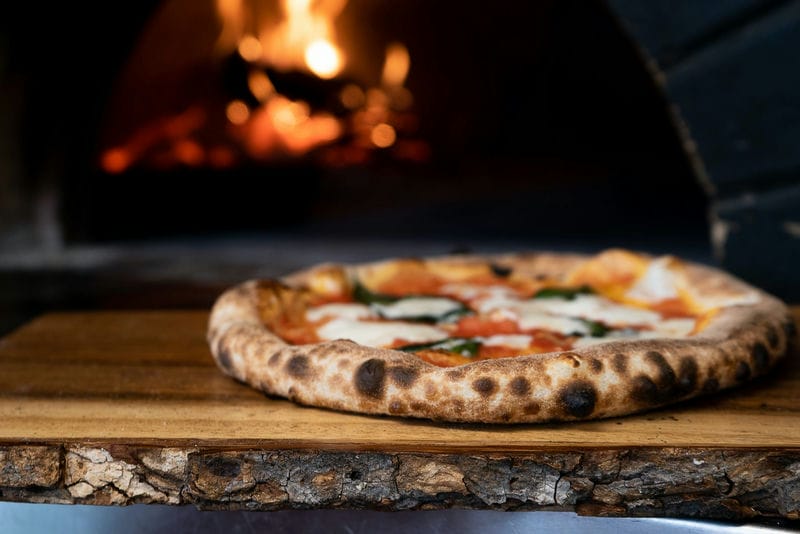
Mediterranean Region: In countries like Italy, Greece, and Spain, wood-fired ovens hold immense cultural value. They are synonymous with traditional cooking methods and are integral to the preparation of iconic dishes like pizza, bread, and roasted meats. These ovens are often found in pizzerias, trattorias, and family homes, serving as a gathering point for friends and family.
Middle East and North Africa: Wood-fired ovens, known as tandoors or tabuns, have been used for centuries in Middle Eastern and North African cuisine. These ovens are typically made of clay and are used to bake bread, such as pita and naan. Tandoori cooking, where marinated meats and vegetables are cooked in the intense heat of a tandoor oven, is also a beloved culinary tradition in this region.
South America: In countries like Argentina and Uruguay, wood-fired ovens, called parrillas or parrilleras, are deeply ingrained in the local culture. They are used for grilling various meats, especially beef, creating the popular cooking style known as asado. Asado gatherings bring people together to enjoy the delicious flavors and socialize around the wood-fired oven.
United States: While wood-fired ovens may not have the same historical depth in the United States, they have gained popularity in recent years. Artisanal bread makers, pizzerias, and culinary enthusiasts have embraced the traditional method of wood-fired baking. This trend reflects a growing appreciation for the authentic flavors and craftsmanship associated with these ovens.
In addition to their cultural significance, wood-fired ovens offer distinct advantages in cooking. The intense and even heat generated by burning wood creates a unique flavor profile in baked goods, pizzas, and roasted meats. The ability to reach high temperatures quickly allows for fast cooking times, resulting in crispy crusts and succulent textures.
In recent times, wood-fired ovens have experienced a revival due to the increased interest in traditional cooking techniques and the desire for artisanal food experiences. Many people are incorporating wood-fired ovens into their outdoor kitchens or backyard setups, embracing the connection to ancient traditions while enjoying the pleasures of wood-fired cooking.
Wood-fired ovens have a remarkable history and hold immense cultural significance in various parts of the world. From ancient civilizations to modern enthusiasts, these ovens have left an indelible mark on culinary traditions and continue to provide unique flavors and cooking experiences. Whether it's the aroma of freshly baked bread or the sizzle of a pizza, the wood-fired oven remains a timeless symbol of craftsmanship and communal enjoyment.
Similar Posts
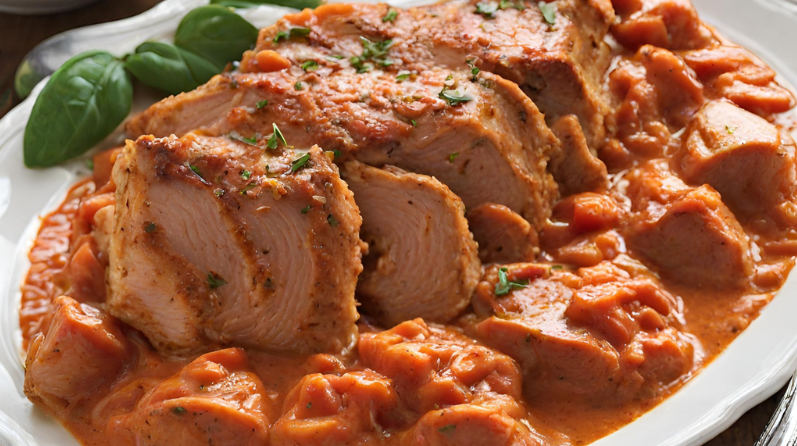
Tangy Tomato Garlic Roast Pork Paprikash
Paprikash is a Hungarian dish featuring meat (usually chicken) cooked in a rich, paprika-infused sauce, often served with noodles or dumplings.
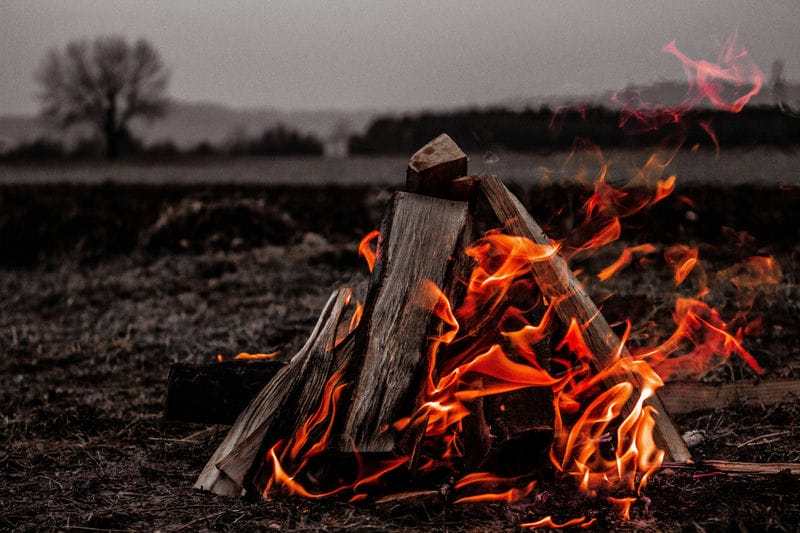
Mastering the Flame: How to Control the Heat When Cooking Over an Open Fire
Summary: Choosing the right wood for grilling meat is essential to elevate your barbecue game. Different woods impart distinct flavors, from hickory's smokiness to cherry's sweetness. Pair woods with meat types, like hickory for beef and apple for poultry. Consider wood forms-logs, chips, or pellets-and remember, experimentation is key to …